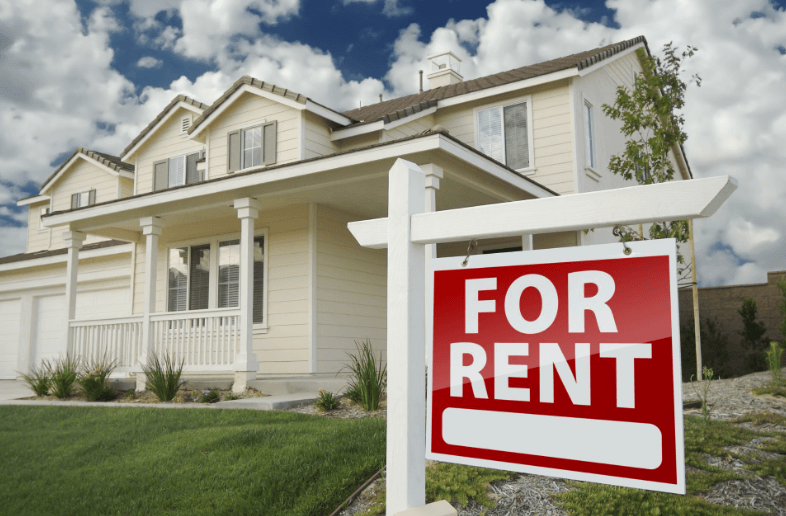
If you’re thinking “is renting my housethe right move this year?”, the process is more structured—and more manageable—than it might seem. Below is a clear, professional roadmap for how to rent out a housefrom first decision to long-term management.
1) Learn The Rules Before You List
Begin by understanding federal, state, and local landlord-tenant laws. These govern essentials like security deposits, fair-housing protections, notices, and the eviction process. Getting compliant first prevents costly missteps later and sets the tone for a fair, legal tenancy.
2) Price Your Rent with the Market—And Your Costs—In Mind
Competitive pricing balances local comps with your monthly costs (mortgage, insurance, potential management fees). An informed rent figure reduces vacancy risk without leaving money on the table, a crucial first step in how to rent out your house responsibly.
3) Market the Property to the Right Renters
Create a persuasive listing with sharp photos and precise details: bed/bath count, square footage, rent, included amenities, and any restrictions (e.g., pet policies, credit minimums). Clear expectations help attract qualified applicants and reduce churn.
4) Screen Every Applicant Consistently
Run credit, criminal, and eviction checks and verify income and rental history. Apply the same criteria to every applicant to comply with fair housing requirements—consistency is both best practice and a legal safeguard.
5) Decide—Then Document Your Decision
When an applicant doesn’t meet your standards, issue a clear, lawful denial notice. When they do, move confidently into lease prep. Establishing and following transparent criteria is central to how to rent out your houseprofessionally.
6) Draft a Comprehensive Lease
Your lease should set the rent amount and due date, term, late fees, security deposit terms, maintenance responsibilities, guest/pet policies, parking rules, and more. Consider legal review to ensure alignment with all applicable laws and to protect both sides.
7) Onboard the Tenant
After signatures, collect the deposit and first month’s rent, deliver keys and access instructions, and complete a move-in checklist. Early structure and open communication reduce disputes and build trust from day one.
8) Systematize Management
Decide how you’ll collect rent, handle maintenance tickets, communicate, and manage renewals—whether via spreadsheets or property management software. Document the process and share it with tenants for a smooth, predictable experience.
9) Carry Landlord Insurance
Homeowners insurance typically doesn’t cover rental activity. Landlord policies can address liability, certain property damage, and potential lost rent—key protection when renting my house to non-owner occupants. Tenants should obtain their own renter’s insurance for belongings.
10) Invest in the Relationship
Timely responses, respect for privacy, and steady communication help retain good renters, reduce turnover costs, and protect the property. Great landlord-tenant relationships are strategic assets.
See also: Top-Rated Pickleball Paddles from JOOLA, Selkirk, and More
Is Renting My House a Good Idea?
Advantages: predictable income to offset expenses, hands-on real estate experience, and potential long-term wealth as values appreciate alongside eligible deductions.
Disadvantages: it can be time-intensive (especially at the start), expenses can be unpredictable (damage, vacancy, legal issues), and regulations change—requiring ongoing attention. If you’re weighing how to rent out a house versus selling, these trade-offs help clarify fit.