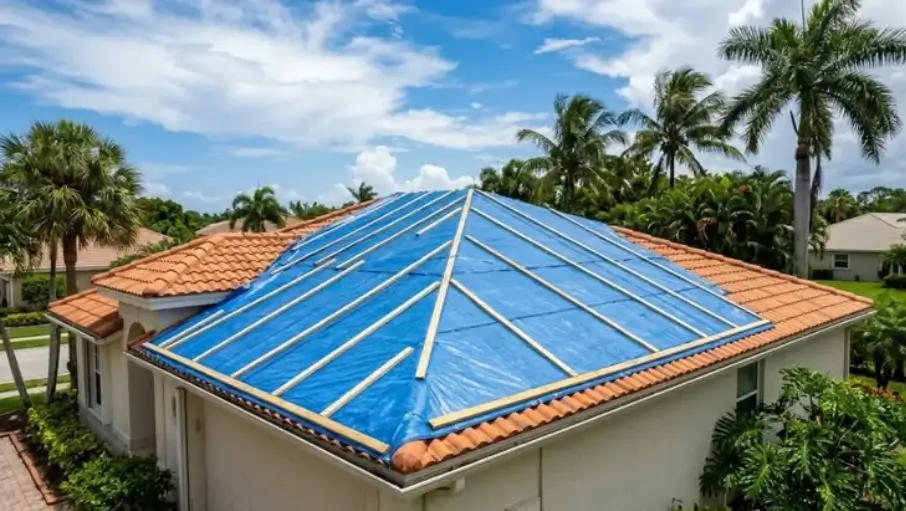
South Florida roofs face demanding conditions throughout the year. Intense sunlight can age exposed materials, humidity can affect vulnerable building components, and thunderstorms can bring heavy rain and strong winds. Tropical weather adds another layer of risk, making preventative roof care an important part of property ownership.
Homeowners cannot control the weather, but they can control how early they identify weaknesses. A combination of inspection, maintenance, appropriate materials, and accurate documentation can help reduce the chance that a small roofing problem becomes a major interior loss.
Begin at the Roof Edges
Roof edges deserve attention because wind can place significant pressure on vulnerable perimeter areas.
Homeowners researching balharbour roofing should have loose edge materials, flashing, damaged tiles, lifted shingles, and deteriorated sealants evaluated before storm season.
A contractor should also look at transitions where roof surfaces meet walls, vents, skylights, and other penetrations. These locations require careful detailing because they must manage both moving water and changing wind pressures.
Keep Water Moving
A roof performs better when rainfall can leave the surface efficiently.
Blocked gutters, clogged drains, debris-filled valleys, or poorly functioning downspouts can allow water to remain where it should not. Flat and low-slope roofs deserve particular attention because drainage depends on properly designed slopes, drains, and membrane details.
Homeowners should safely monitor drainage from the ground and arrange professional inspection when ponding, overflow, or recurring staining appears.
Check Materials After Severe Weather
Storm damage is not always dramatic. A roof may remain largely intact while individual components become loosened, cracked, or punctured.
That is why homeowners comparing virginia gardens roofers should ask contractors how post-storm inspections are performed and how damage is documented.
Missing shingles, cracked tiles, displaced flashing, membrane punctures, and impact marks can be easy to overlook without a systematic inspection.
Photos taken after significant weather can create a useful record even when immediate repairs are not required.
Understand the Role of Underlayment
The visible roof covering receives most of the attention, but the layers below it are also important.
Underlayment provides an additional line of water management beneath tiles, shingles, or other roofing materials. Its condition becomes particularly important if wind or impact damages the outer covering.
During replacement work, homeowners should ask what underlayment system will be used, how it will be installed, and whether the complete assembly meets applicable Florida requirements.
Manufacturer installation instructions should also be followed because fastening patterns and compatible components vary by roofing system.
Look at the Attic
Some roofing problems reveal themselves inside before they become obvious outdoors.
Water staining, damp wood, musty odors, discolored insulation, or visible daylight around penetrations can justify further investigation.
The attic can also reveal ventilation and insulation conditions that affect heat and moisture around the roof deck. These systems should be evaluated together rather than assuming the exterior roof is responsible for every indoor temperature or moisture problem.
Review Wind-Resistance Details
South Florida roofing decisions should account for wind exposure.
The Florida Building Code includes requirements affecting roof assemblies, fastening, product approvals, and wind resistance. Exact requirements depend on the building and location, so homeowners should rely on properly qualified professionals rather than generic online recommendations.
IBHS research also emphasizes the importance of roof-system details in reducing storm-related damage. Strong roof-to-deck connections and well-secured edges can contribute to better overall performance.
Do Not Forget Routine Maintenance
Storm preparation is not a once-a-year project.
Leaves, branches, vegetation, deteriorated sealant, clogged drainage, and minor material damage can develop at any time. Scheduling regular inspections gives homeowners an opportunity to address these issues before severe weather arrives.
Maintenance is especially useful after contractors, solar installers, HVAC technicians, or other workers have accessed the roof.
Store Important Records
Homeowners should maintain a simple roofing file containing permits, warranties, inspection reports, photographs, material details, and invoices.
These records can help future contractors understand the history of the roof. They may also be useful during insurance discussions or when the property is sold.
Documentation is easier to collect as work is completed than years later when paperwork has been lost.
Conclusion
South Florida roofing resilience depends on many small details working together. Secure edges, effective drainage, sound underlayment, properly installed materials, clear penetrations, and regular inspections all contribute to the roof’s ability to manage challenging weather.
Preparing before storms arrive gives homeowners more time to address weaknesses carefully instead of making rushed decisions after water has already entered the property.