Solar generators produce clean, quiet electricity for camping, home backup, and off-grid life. However, weather conditions have a direct impact on charging speed, battery efficiency, and total output. Temperature changes, cloud cover, snow buildup, and bright sunshine all have an impact on system operation. Buyers who understand the environmental implications can plan more wisely and prevent unexpected power outages. Manufacturers incorporate protection measures into current devices, although appropriate installation and maintenance are still required. This book discusses how solar generators work in various weather circumstances and offers practical procedures that customers may take to ensure consistent energy production throughout the year in different regions.
How Do Solar Generators Perform in Different Weather Conditions?
Performance in Cold Temperatures and Snow
Because less heat lowers electrical resistance, solar panels frequently operate well in colder climates. When panels are left unhindered, clear winter sunlight may provide a powerful output. However, snow buildup rapidly limits charging capabilities by blocking sunlight. Snow must be carefully removed by users in order to restore performance. Batteries respond to cold as well. Very low temperatures can slow down charging and lower battery efficiency. Although many systems include temperature control capabilities, users should refrain from charging lithium batteries below the suggested limits. Stable operation of the generator is maintained by keeping it in an insulated location. Solar generators may provide dependable electricity during the winter months with the right upkeep.
Efficiency in Extreme Heat and Direct Sunlight
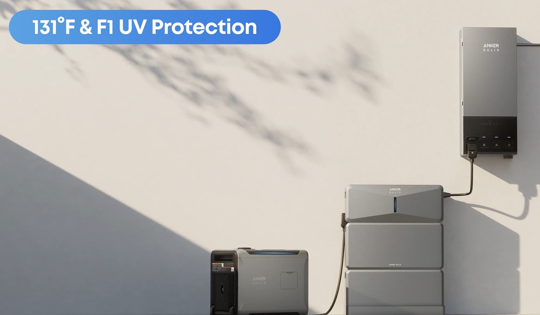
Even under direct sunshine, high temperatures can decrease the effectiveness of solar panels. Overheating reduces overall power by raising electrical resistance. Extremely hot days may cause users to notice a modest decrease in charging speed. Extreme heat also puts stress on batteries. If cooling systems are unable to control the interior temperature, prolonged exposure may reduce the lifetime. To avoid overheating, a lot of solar generators include integrated fans and thermal protection. Users should keep panels in direct sunlight and position devices in well-ventilated, shaded places. Elevating panels decreases heat accumulation and enhances ventilation. Keeping an eye on temperature measurements throughout the sweltering summer months guarantees safe operation and steady performance.
See also: The Role of Technology in Customer Relationship Management
Output During Cloudy, Rainy, and Low-Light Days
Solar generators continue to create power on overcast or rainy days, although the output is drastically reduced. Panels generate power from dispersed sunlight, however, with a lesser efficiency than under clear skies. Heavy cloud cover can cut production by more than half. Rain may assist in removing dust from panel surfaces, somewhat increasing long-term efficiency. Moisture, however, can damage exposed connections if they are not properly sealed. Users should use weather-resistant wires with secure connections. During lengthy periods of low light, battery reserves become crucial. Planning for additional capacity or other charging methods aids in maintaining a reliable power supply when sunshine is limited for several days.
How Can You Optimize Solar Generator Performance Year-Round?
Proper Panel Positioning and Seasonal Angle Adjustments
Energy harvesting is maximized all year round with proper panel placement. Panels should be facing the sun, and tilt angles should be adjusted by users in accordance with seasonal variations. A steeper slope helps shed snow and collects lower sun pathways in the winter. A flatter angle enhances noon exposure in the summer. Daily production may be increased with regular modifications without the need for more panels. Additionally, users should stay out of the shade of trees, structures, or machinery. Performance can be considerably lowered by even partial shade. Charging efficiency is further increased by manually tracking the sun over the day. Reliable solar production is ensured by consistent placement techniques during different daylight hours and weather patterns.
Battery Care, Storage, and Temperature Management
Proper battery care extends system lifespan and stabilizes performance. Users should operate batteries within the manufacturer’s recommended temperature range to protect overall battery capacity and efficiency. Don’t leave the generator in severely hot or frigid conditions for extended periods of time. To ensure battery health, keep the device partially charged and store it in a dry, temperate environment when not in use. Verify firmware upgrades on a regular basis to see if the machine has smart management capabilities. Long-term deterioration may be avoided by keeping an eye on temperature measurements and charge cycles. Exposure to the environment is decreased when storage is done outside with protective coverings. Batteries remain dependable and effective throughout the year with careful handling and temperature awareness.
Weatherproofing, Maintenance, and Safety Practices
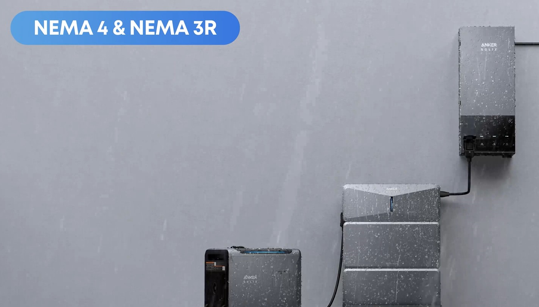
Panels and generator parts are also protected by weatherproofing. Panels with strong frames and good water resistance ratings should be chosen by users. Unintentional movement and wind damage are avoided with secure installation. Check cables often for loose connections, damage, and cracks. Clear the panel surfaces of any debris that blocks sunlight, such as leaves or dirt. If the generator isn’t rated for standing water or heavy rain, don’t run it under those conditions. For maximum input and load restrictions, according to the manufacturer’s instructions. Failure risks are decreased by preventative maintenance and routine inspection. Good safety practices protect equipment in inclement weather and provide steady power generation.
Conclusion
Users who are aware of the effects of weather can make solar generators work efficiently in cold, hot, and overcast conditions. Energy production is impacted by moisture and shade, while temperature variations have an impact on panel efficiency and battery behavior. Seasonal angle changes, proper placement, and routine maintenance enhance performance all year round. Maintenance and temperature regulation safeguard long-term dependability. Hazards are decreased in severe weather by using weather-resistant parts and safe operating procedures. Users sustain consistent energy output across a range of climates by accounting for seasonal variations and keeping an eye on system health. A well-maintained solar generator system provides consistent, sustainable energy all year long, even in the face of shifting weather patterns.