The custom apparel industry has shifted dramatically over the past few years. Faster turnaround times, lower minimum orders, and seasonal drops have become standard expectations rather than premium offerings. For print shops looking to remain competitive, adding DTF Transfers to their service lineup is no longer optional; it’s strategic.
From apparel brands to local boutiques, businesses increasingly rely on flexible production models that reduce risk while maintaining high-quality output. DTF Transfers provide exactly that.
Meeting the Demand for Short-Run and Seasonal Production
Traditional printing methods like screen printing require setup time, minimum quantities, and inventory forecasting. While effective for large runs, they create friction for seasonal collections and limited drops.
Apparel companies frequently launch:
- Holiday-themed apparel
- Event-based merchandise
- Limited-edition collections
- Trend-driven designs
These collections often have a short selling window. Local boutiques especially cannot afford to overproduce seasonal inventory that may not sell. By offering DTF Transfers, print shops enable their B2B clients to print on demand, reducing inventory risk while maintaining flexibility.
Instead of pre-printing hundreds of garments, boutiques can stock blank apparel and apply transfers only when orders are placed.
See also: business analytics insight snapshot
Supporting On-Demand Business Models
E-commerce and social media marketing have accelerated the need for agile production. Brands want to test designs quickly, respond to trends instantly, and restock best-sellers without delay.
DTF Transfers allow print shops to:
- Print multiple designs on gang sheets
- Store transfers for future use
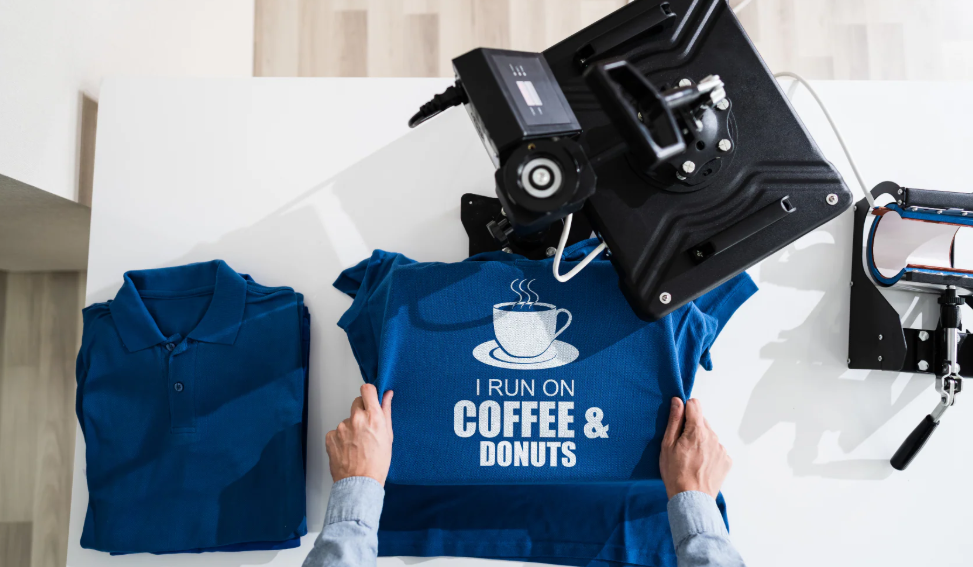
- Press designs onto garments as orders arrive
- Eliminate complex setup for repeat jobs
This aligns perfectly with the operational model of modern apparel brands. When a design gains traction online, print shops can immediately scale production without rebuilding screens or incurring additional setup costs.
Expanding Service Offerings Without Major Investment
From a business perspective, DTF Transfers offer print shops a way to expand their capabilities without dramatically increasing overhead.
Unlike traditional methods that require separate setups for different garment types, DTF works on:
- Cotton
- Polyester
- Blends
- Dark and light fabrics
This versatility allows print shops to accept a wider range of client requests without additional equipment changes. Apparel brands benefit from consistent print quality across multiple garment types, while boutiques can diversify their product offerings without worrying about compatibility issues.
Faster Turnaround During Peak Seasons
Seasonal collections often create production bottlenecks. Whether it’s back-to-school, holidays, or event merchandise, demand can spike unexpectedly.
With DTF Transfers, print shops can:
- Prepare transfer sheets in advance
- Reduce setup time during peak periods
- Increase daily production output
- Fulfill rush orders more efficiently
This speed is critical for local boutiques that rely on quick replenishment. A boutique that sells out of a trending design can restock within days rather than weeks.
For apparel brands running flash sales or limited drops, this responsiveness can significantly increase revenue.
Lower Risk for Clients Means More Orders for You
When apparel companies face high production risk, they order conservatively. Large minimums discourage experimentation and reduce overall volume.
By offering DTF Transfers, print shops remove that barrier. Clients can:
- Test small batches of new designs
- Launch micro-collections
- Personalize garments for local events
- Offer custom name or number additions
When risk decreases, ordering frequency often increases. Print shops that support flexible production models typically see higher repeat business from B2B clients.
Improved Margins Through Efficiency
Efficiency drives profitability in print operations. DTF Transfers improve workflow in several ways:
- No screen setup or breakdown
- Minimal waste
- Faster artwork adjustments
- Streamlined reorders
Because transfers can be printed in bulk and applied as needed, shops optimize both labor and material usage. The result is stronger margins and better resource allocation.
Additionally, gang sheet printing allows shops to maximize film usage, reducing per-design cost and improving overall ROI.
Helping Boutiques Compete with Larger Brands
Local boutiques often compete with national retailers that have larger production capabilities. By partnering with print shops offering DTF Transfers, these boutiques can:
- Launch exclusive in-store collections
- Offer personalized apparel
- React quickly to local trends
- Avoid carrying excessive stock
This agility levels the playing field and strengthens long-term partnerships between boutiques and print providers.
Future-Proofing Your Print Business
The apparel decoration industry continues shifting toward short-run, high-variation production. Print shops that adapt to this model position themselves for sustained growth.
DTF Transfers provide:
- Flexibility
- Scalability
- Cost control
- Consistent quality
Shops that fail to adopt modern transfer solutions risk losing B2B clients to competitors who offer faster turnaround and lower minimums.
Conclusion
Every print shop faces increasing pressure to deliver speed, flexibility, and cost efficiency. Apparel companies and local boutiques are no longer satisfied with rigid production models or high minimum orders.
By offering DTF Transfers, print shops empower their clients to launch seasonal collections, test new designs, and operate with reduced inventory risk. In turn, print shops gain stronger client relationships, higher order frequency, and improved operational efficiency.
In today’s competitive market, adding DTF Transfers isn’t just an upgrade it’s a necessary evolution for sustainable growth.