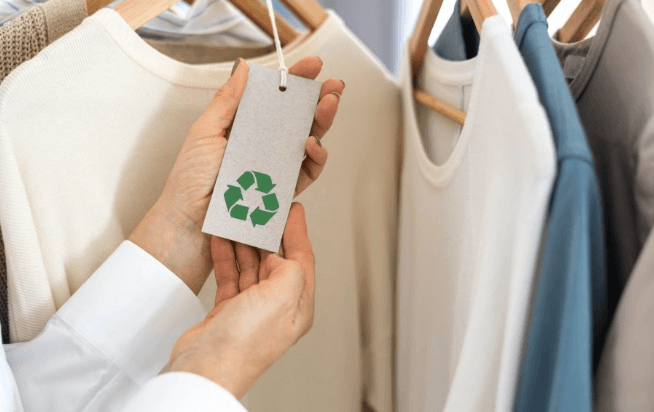
Walk into any clothing store today, and you’ll see green tags, earth-tone packaging, and claims about sustainability plastered everywhere. But sustainable fashion is not a marketing term. It’s a set of real practices around how clothing is made, what it’s made from, and how long it’s meant to last. The problem is that the word has been stretched so far that it’s starting to lose meaning.
This guide cuts through the noise. If you want to make genuinely better choices about what you wear, whether you’re shopping for yourself or sourcing for a retail business, understanding what sustainable fashion actually involves puts you ahead of the curve.
What Sustainable Fashion Really Covers
True sustainable fashion looks at the entire lifecycle of a garment. That starts with raw material sourcing and runs through manufacturing, transportation, retail, use, and disposal. A piece of clothing that’s made from organic cotton but shipped across the world in polluting freight and designed to fall apart in six months isn’t genuinely sustainable; it just checks one box.
The full picture includes: where fibers come from, how they’re processed, what conditions factory workers operate under, how efficiently the garment is made, and what happens when the consumer is done with it. Sustainable fabrics are part of the story, but only one part.
Sustainable Fabrics: What to Look For
Material choice is the most visible part of sustainable fashion, and it’s where consumers have the most direct influence. Sustainable fabrics generally fall into a few categories: organic natural fibers, recycled materials, and lower-impact semi-synthetics.
Organic cotton uses significantly less water and eliminates synthetic pesticides compared to conventional cotton. Linen, made from flax, is one of the most naturally low-impact fibers available. It grows without much water, and the whole plant can be used. Hemp is similar and becoming more common in apparel as processing technology improves.
On the recycled side, materials like REPREVE (made from recycled plastic bottles) and recycled wool are finding their way into mainstream collections. Tencel and Lyocell, produced from sustainably harvested wood pulp in closed-loop processes, are lower-impact alternatives to conventional rayon.
What About Greenwashing?
Greenwashing is when brands use sustainable fashion language and imagery to create an impression of responsibility without the substance behind it. It’s common, and it’s worth learning to spot.
Warning signs include vague claims like “eco-conscious” or “green” without any certification or explanation. Look for actual certifications: GOTS (Global Organic Textile Standard) for organic claims, OEKO-TEX for chemical safety, and Fair Trade or SA8000 for labor standards. These have real requirements behind them.
Ethical Fashion Brands: What Sets Them Apart
Ethical fashion brands go beyond the product itself. They’re committed to fair wages, safe working conditions, and transparency about where and how their clothes are made. Some publish detailed supplier lists. Others conduct regular third-party audits.
The rise of ethical fashion brands has also pushed larger companies to respond. Major retailers that once ignored supply chain conditions are now publishing sustainability reports and setting emissions targets. Whether these efforts are genuine varies widely, which is why doing a bit of homework before you buy still matters.
A good starting point for researching brands and understanding the difference between genuine commitment and surface-level eco-friendly clothing claims is spending time on informed buying guides. Apparel o’clock covers the apparel industry with a practical lens, including how wholesale and retail buyers can make more responsible sourcing decisions.
The Slow Fashion Approach
Slow fashion is the opposite of the fast fashion model. Where fast fashion prioritizes speed, volume, and low prices, often at serious human and environmental cost, slow fashion centers on quality, longevity, and conscious consumption. It’s about buying fewer things that last longer and are made well.
This doesn’t necessarily mean expensive. It means being deliberate. Buying one good-quality jacket instead of three cheap ones. Choosing classic cuts that won’t look dated in two years. Learning to care for your clothes properly so they last. Slow fashion is as much a mindset as it is a shopping strategy.
For wholesale buyers, slow fashion principles translate into sourcing from manufacturers who prioritize construction quality. Brands like wholesale Red Kap apparel have long operated with this kind of mindset in the workwear space, building garments designed to go through hundreds of washes and still perform.
Green Clothing Brands Making a Real Difference
There are genuinely good green clothing brands doing serious work. Patagonia has been transparent about its supply chain and repair programs for decades. Eileen Fisher has a robust take-back and resale program. Smaller brands like Pact, Thought Clothing, and Tentree have built their entire model around sustainability from day one.
In the workwear and industrial segment, several manufacturers are now using more sustainable dyes, reducing water usage, and shifting to recycled polyester blends. The category has historically lagged behind fashion in this area, but that’s changing.
How to Shop Sustainable Fashion Without Overthinking It
Start by buying less and buying better. It sounds simple because it is. Most people don’t need more clothes, they need better ones, cared for properly. A capsule wardrobe built on quality eco-friendly clothing basics will serve you better than a closet stuffed with cheap pieces that wear out fast.
Second, give secondhand a real try. Thrift stores, consignment shops, and resale platforms are booming because the quality of secondhand clothing has gotten better as people donate better stuff. It’s the most sustainable option available, the garment already exists, no new resources needed.
Finally, think about care. Washing clothes in cold water, air drying when possible, and mending small damage before it becomes big damage extends the life of any garment dramatically. Most clothing ends up in landfill not because it’s worn out, but because it was poorly cared for.
Final Word on Sustainable Fashion
Sustainable fashion is not about perfection. Nobody makes flawless choices every time, and holding out for the perfect sustainable brand can become its own kind of paralysis. The goal is to move in a better direction, asking better questions, supporting brands doing genuine work, and buying with a longer view.
As consumer demand for sustainable fashion grows, the industry is being pushed to respond. Your buying decisions, at scale, do make a difference. So does staying informed, sharing what you learn, and not letting greenwashing go unchallenged.