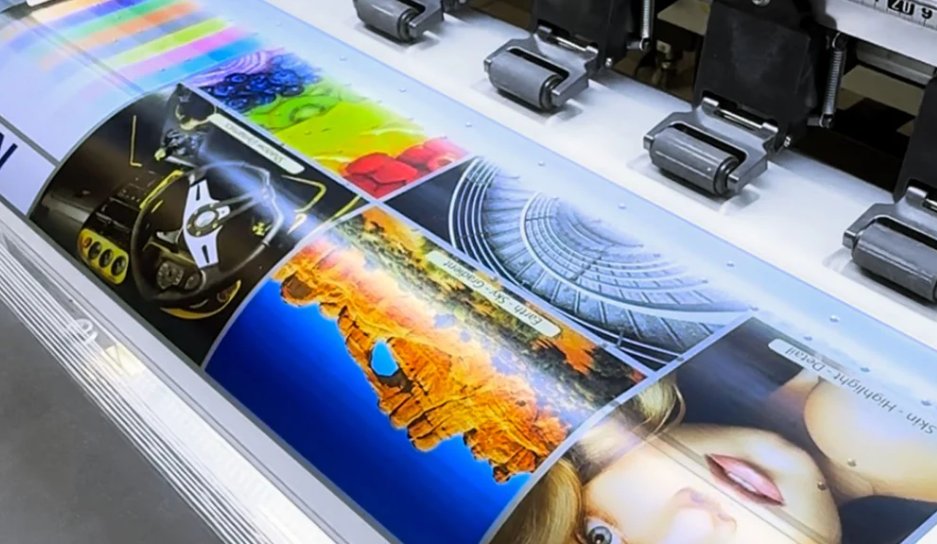
For small apparel brands and local boutiques, scaling production without increasing overhead is one of the biggest operational challenges. Seasonal collections, promotional campaigns, and limited-edition drops require speed, flexibility, and cost control. This is why more businesses are turning to DTF Transfers particularly UV DTF technology to accelerate growth while minimizing risk.
Unlike traditional printing methods that require large setup costs and minimum order quantities, DTF technology offers a streamlined, scalable approach to custom decoration. For small businesses looking to compete with larger brands, this production model is becoming a serious advantage.
The Scaling Challenge for Small Apparel Businesses
Growth in the apparel industry often comes with production bottlenecks. Screen printing requires setup time, bulk runs, and forecasting demand weeks or months in advance. Overstocking seasonal designs can lead to discounted inventory and reduced margins.
Small boutiques and emerging brands need:
- Lower upfront production costs
- Faster turnaround times
- The ability to test new designs without financial risk
- Flexible seasonal production
This is where DTF Transfers provide a practical solution.
What Makes UV DTF Transfers Different?
Traditional DTF printing is widely used for apparel decoration, but UV DTF expands those possibilities by allowing transfers to adhere to hard surfaces such as packaging, accessories, drinkware, and promotional items. For businesses offering complete branded collections, this versatility is extremely valuable.
However, the core advantage remains the same: DTF Transfers allow businesses to print designs onto film and apply them only when needed using a heat press (or UV application method for hard goods). This eliminates waste and improves production efficiency.
See also: The Role of Technology in Customer Relationship Management
Faster Seasonal Collection Launches
Seasonal collections such as holiday apparel, event merchandise, or limited-time promotional designs often determine quarterly revenue performance for small brands. Speed to market is critical.
With DTF Transfers, businesses can:
- Prepare seasonal graphics in advance
- Store transfers without occupying significant space
- Apply designs on-demand when orders arrive
This enables apparel companies to respond instantly to trends without committing to large inventory runs. For local boutiques, this means being able to offer fresh seasonal designs weekly rather than monthly.
Reduced Inventory Risk
One of the biggest obstacles to scaling is cash flow. Investing in bulk screen-printed garments ties up capital in unsold stock. If a seasonal design underperforms, businesses absorb the loss.
By using DTF Transfers, companies can keep blank garments in stock and decorate them only after purchase. This just-in-time production model reduces financial exposure and allows businesses to reallocate capital toward marketing, expansion, or new product development.
For boutiques with limited storage space, this approach is especially beneficial. Instead of stocking multiple variations of printed apparel, they maintain blank inventory and apply trending designs as needed.
Expanding Product Lines Without Expanding Costs
UV DTF technology allows small businesses to expand beyond apparel. Branded accessories, packaging labels, tumblers, and promotional merchandise can be produced without investing in additional printing equipment.
This diversification creates new revenue streams while keeping operational costs stable. A boutique that once sold only printed shirts can now offer coordinated branded items using the same DTF Transfers workflow.
The result is higher average order value and stronger brand positioning without a major capital investment.
Improved Turnaround Times
Speed is often the deciding factor between winning and losing a wholesale or retail contract. Larger companies may promise fast production, but small businesses using DTF Transfers can compete effectively.
Because there is no lengthy setup process:
- Orders can be fulfilled the same day
- Reprints require no additional preparation
- Short runs remain cost-effective
This agility allows small businesses to accept rush orders, last-minute seasonal requests, and custom collaborations that would otherwise be impractical with traditional methods.
Supporting E-Commerce Growth
Many small apparel brands now rely heavily on e-commerce and print-on-demand models. Inventory flexibility is critical in this environment.
With DTF Transfers, brands can:
- Offer a wide range of seasonal designs
- Avoid holding pre-printed inventory
- Produce only what sells
This model aligns perfectly with online sales strategies where demand fluctuates quickly. It also supports limited-edition “drops,” which create urgency without increasing production risk.
Consistent Quality at Scale
Scaling should not compromise product quality. Modern DTF Transfers produce vibrant colors, fine detail, and durable prints that withstand repeated washing. For UV applications, prints maintain strong adhesion and resistance on hard surfaces.
Maintaining consistent output quality helps small businesses build trust with customers and wholesale partners. This reliability is essential when expanding distribution or increasing order volume.
A Competitive Edge for Growing Brands
In a competitive apparel market, operational efficiency often determines long-term success. Small businesses that adopt DTF Transfers gain flexibility, reduce risk, and accelerate production cycles.
Instead of being limited by equipment setup, minimum orders, or slow turnaround times, they can:
- Launch seasonal collections faster
- Respond to trends immediately
- Expand into new product categories
- Scale revenue without proportional cost increases
Final Thoughts
For apparel companies and local boutiques aiming to grow sustainably, scalability must be built into production strategy. DTF Transfers provide the flexibility and efficiency required to compete in today’s fast-moving market.
By reducing inventory risk, improving turnaround times, and supporting seasonal collections, this technology empowers small businesses to scale faster—without sacrificing quality or profitability.